The first-timer
Wants to feel better, but therapy feels like a big, formal step.
- A no-pressure way to start
- A quick daily check-in
- Something free to try first
- Opening up to a stranger
- Not knowing where to start
- Dropping off after day one
Over 31% of young adults aged 18–30 experience anxiety disorders, and fewer than half seek professional help. Therapy feels formal and expensive, like something you do once your life is already together.
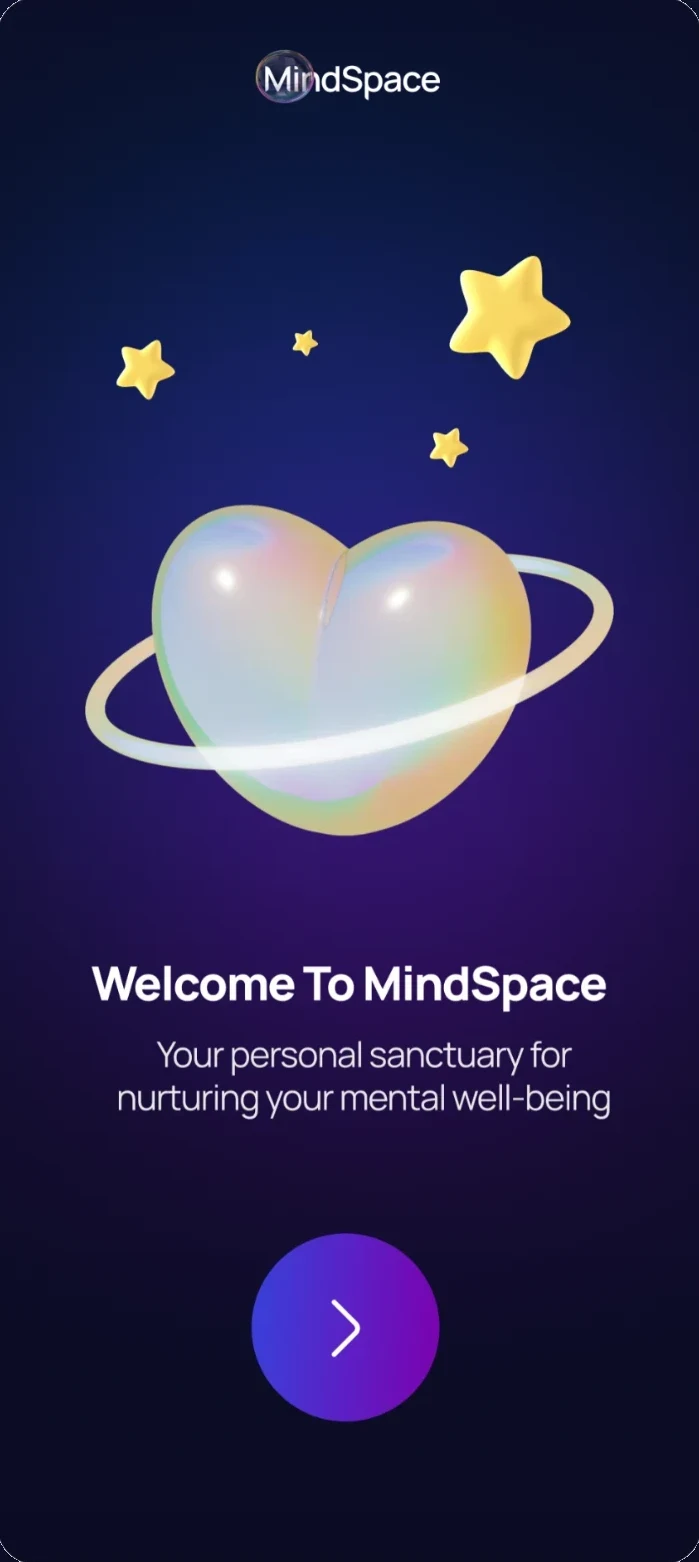
MindSpace was my Middlesex University project: a mobile app that gives young adults a low-pressure way in, with daily mood check-ins, bite-sized activities and therapy when they’re ready. I ran the research, designed the product and built the MVP in Flutter.
Most young adults don’t need therapy on day one. They need a first step.
“It seems super formal, like something I need to have my life together before I even start.”
“I looked into some apps, but they’re all subscription-based, and I just can’t afford it right now.”
“When there’s a reward or milestone, it’s way easier to stay consistent.”
Online polls · 6 interviews · WHO data · BetterHelp + Calm teardowns
Young adults juggling study, relationships and first jobs, who want support without the commitment.
Wants to feel better, but therapy feels like a big, formal step.
Has tried apps, but every one ends in a subscription.
Stays consistent when progress is visible.
But BetterHelp costs $60–90 a week, and Calm’s huge library and $69.99 a year put many young adults off. MindSpace sits in between: self-help first, therapy when you’re ready.
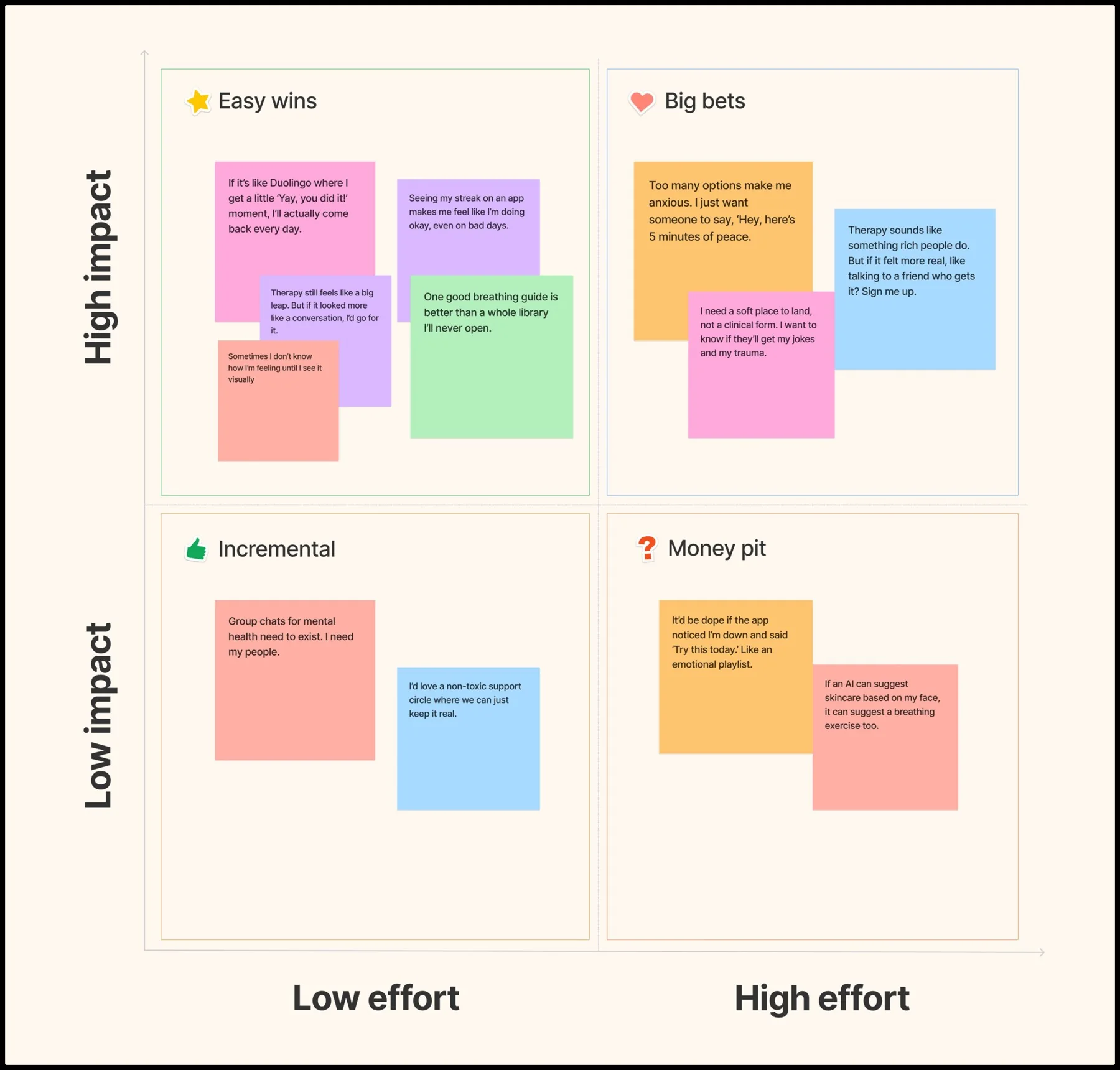
I’m one person with limited time and Flutter skills, so an impact–effort matrix decided the MVP.

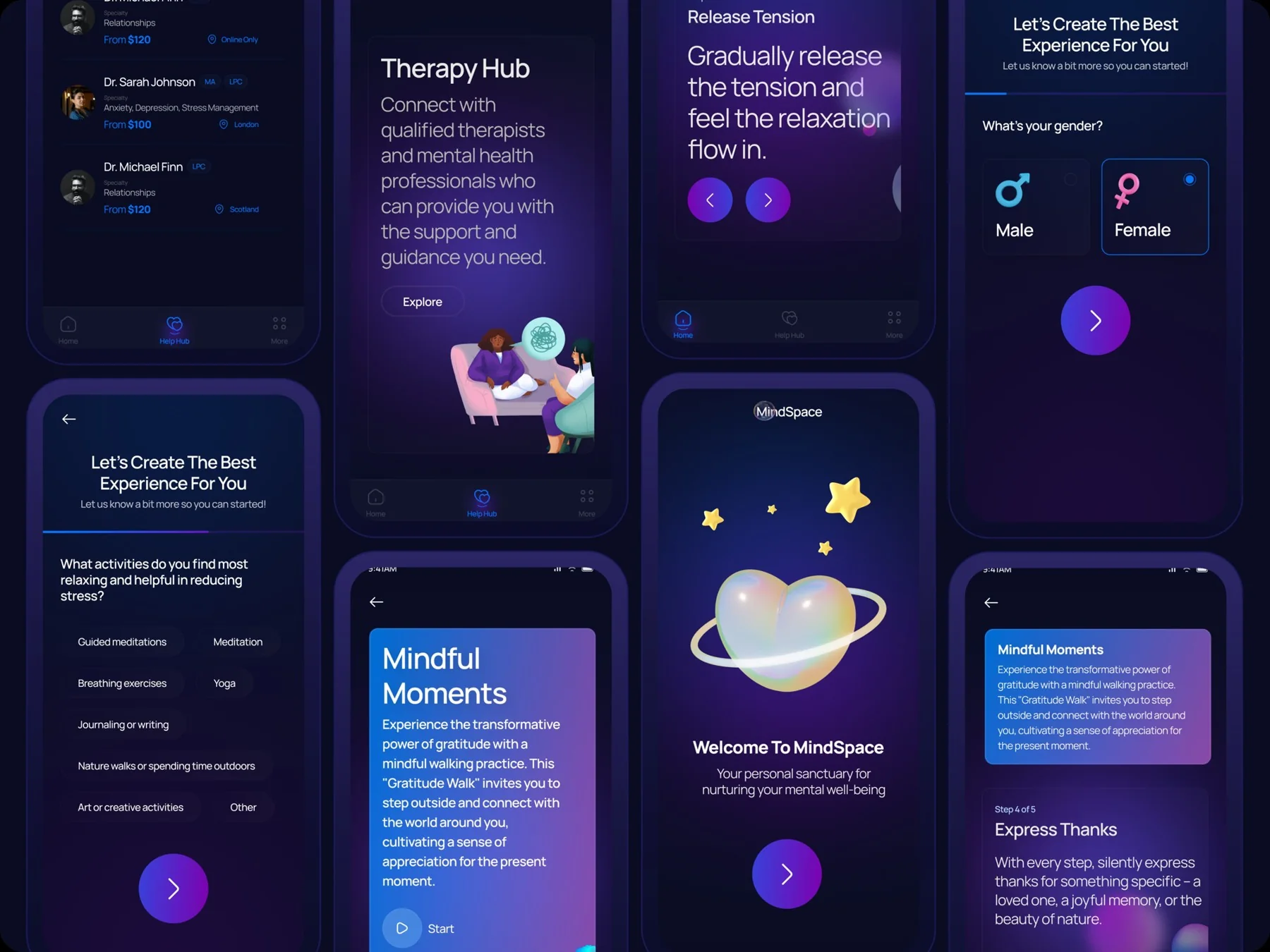
After email sign-up and a code, a short form asks how users handle stress and what helps them relax, so content is personal from day one.

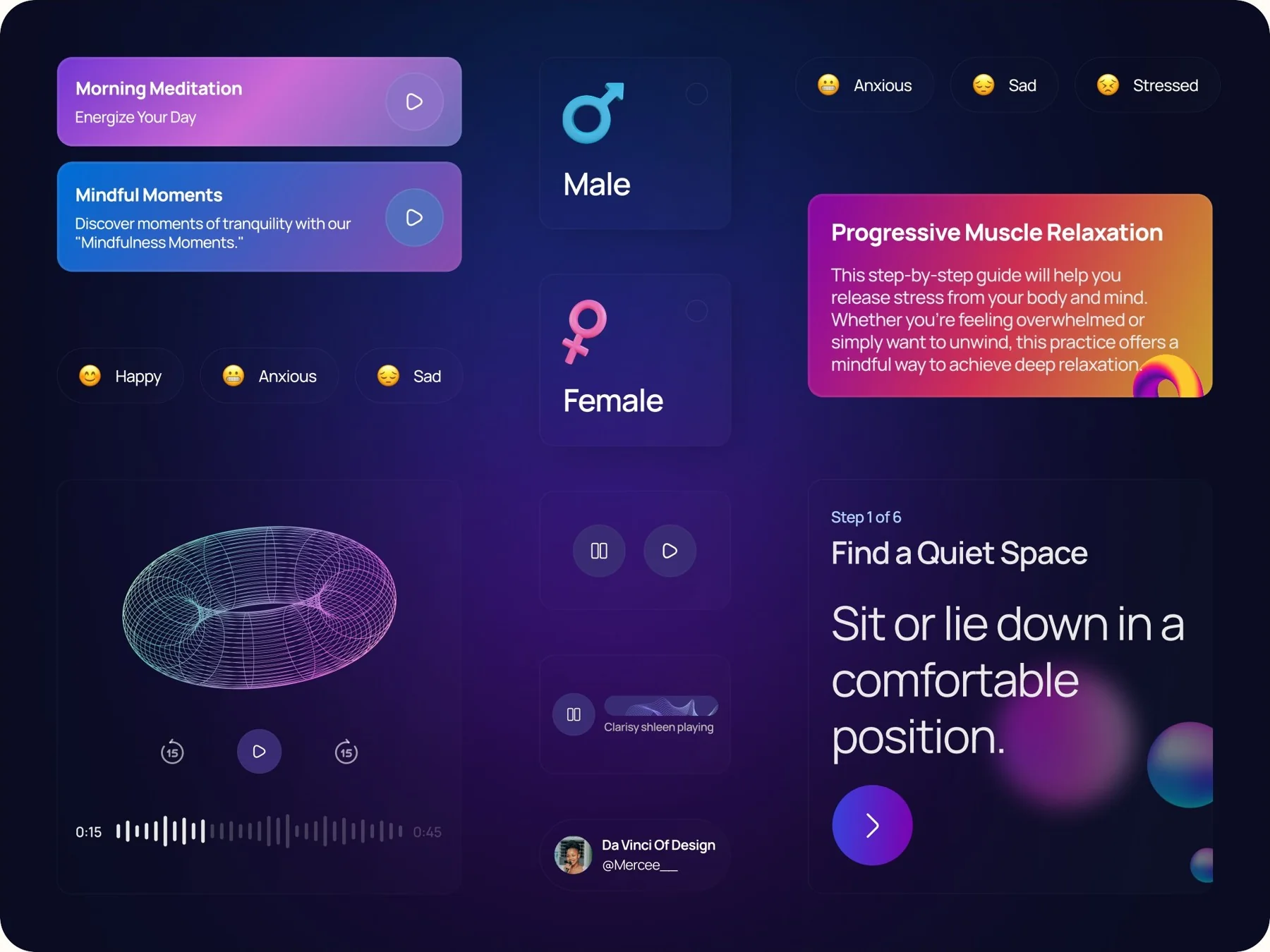
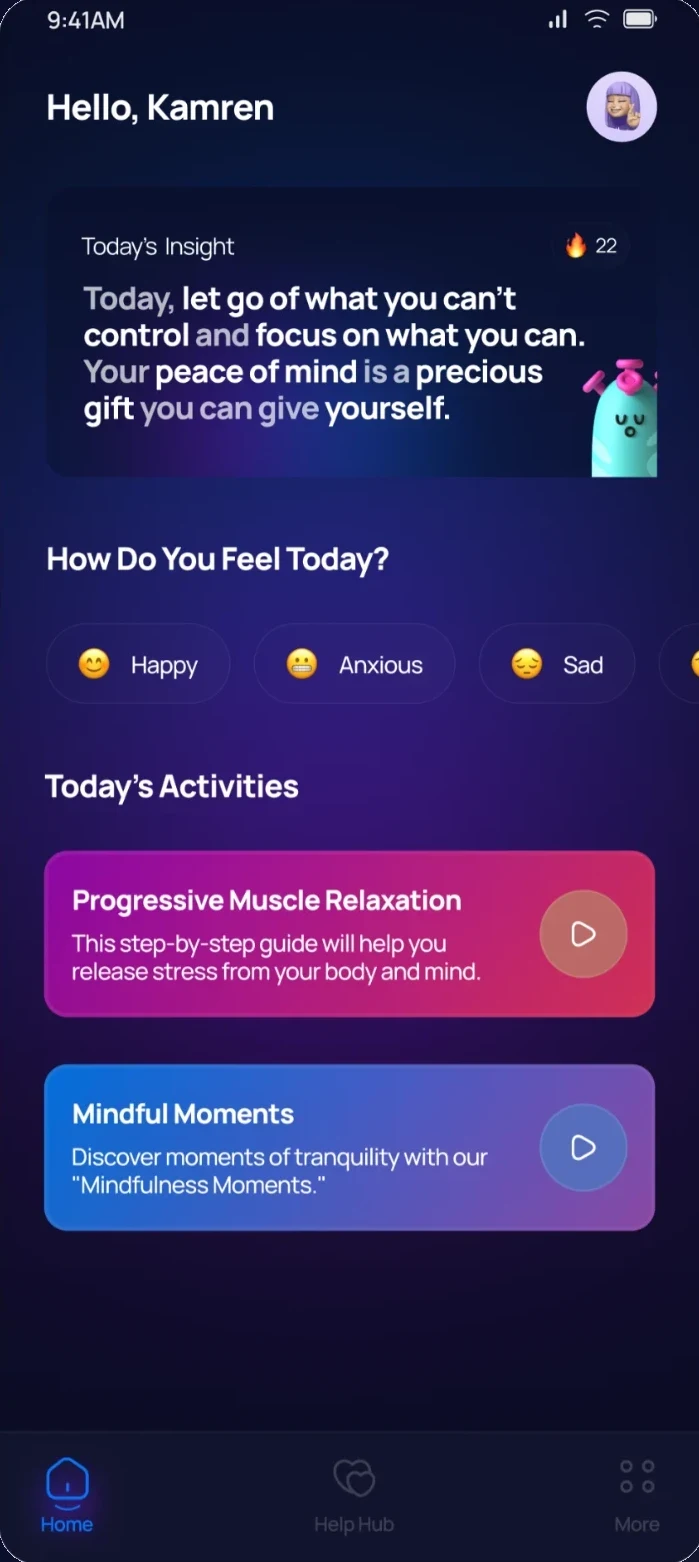
Emoji moods right on the home screen, no long forms. If it takes effort, people won’t do it every day.


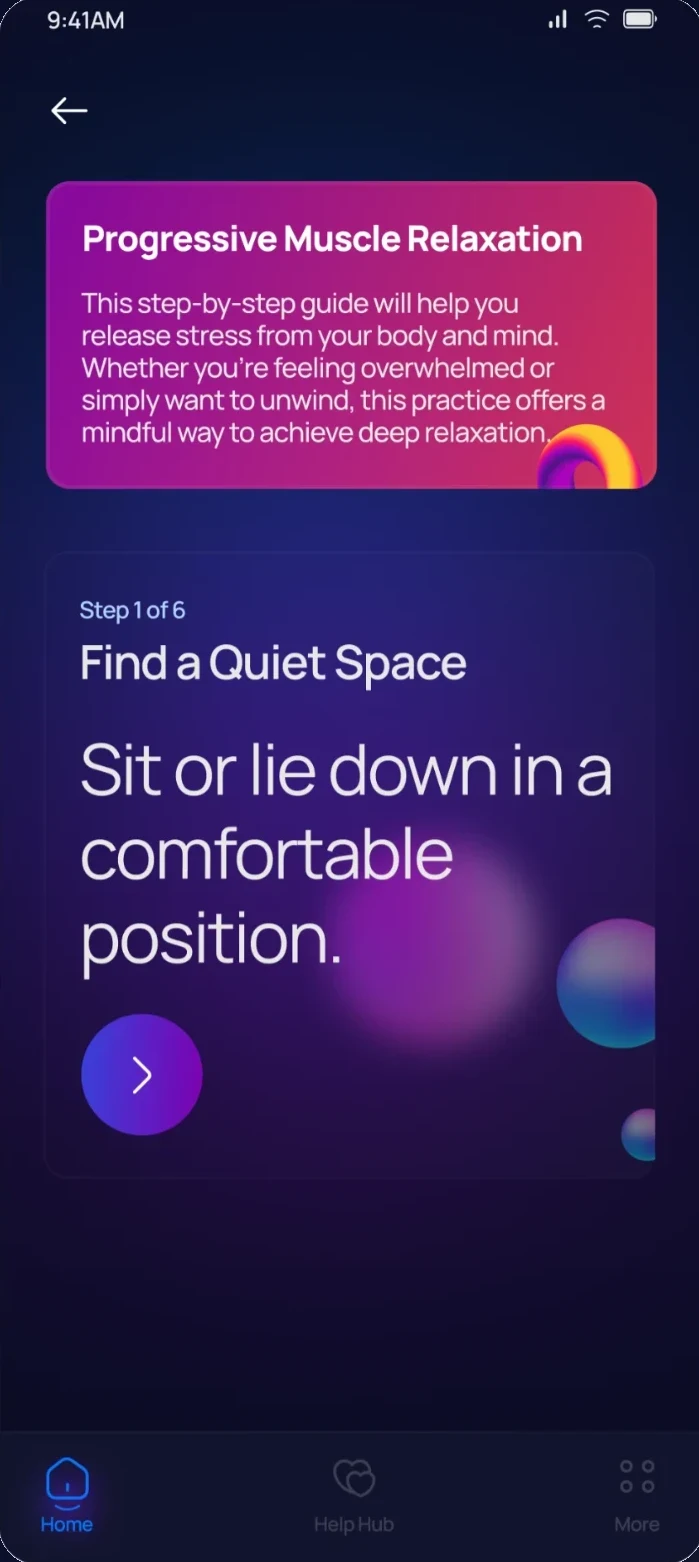
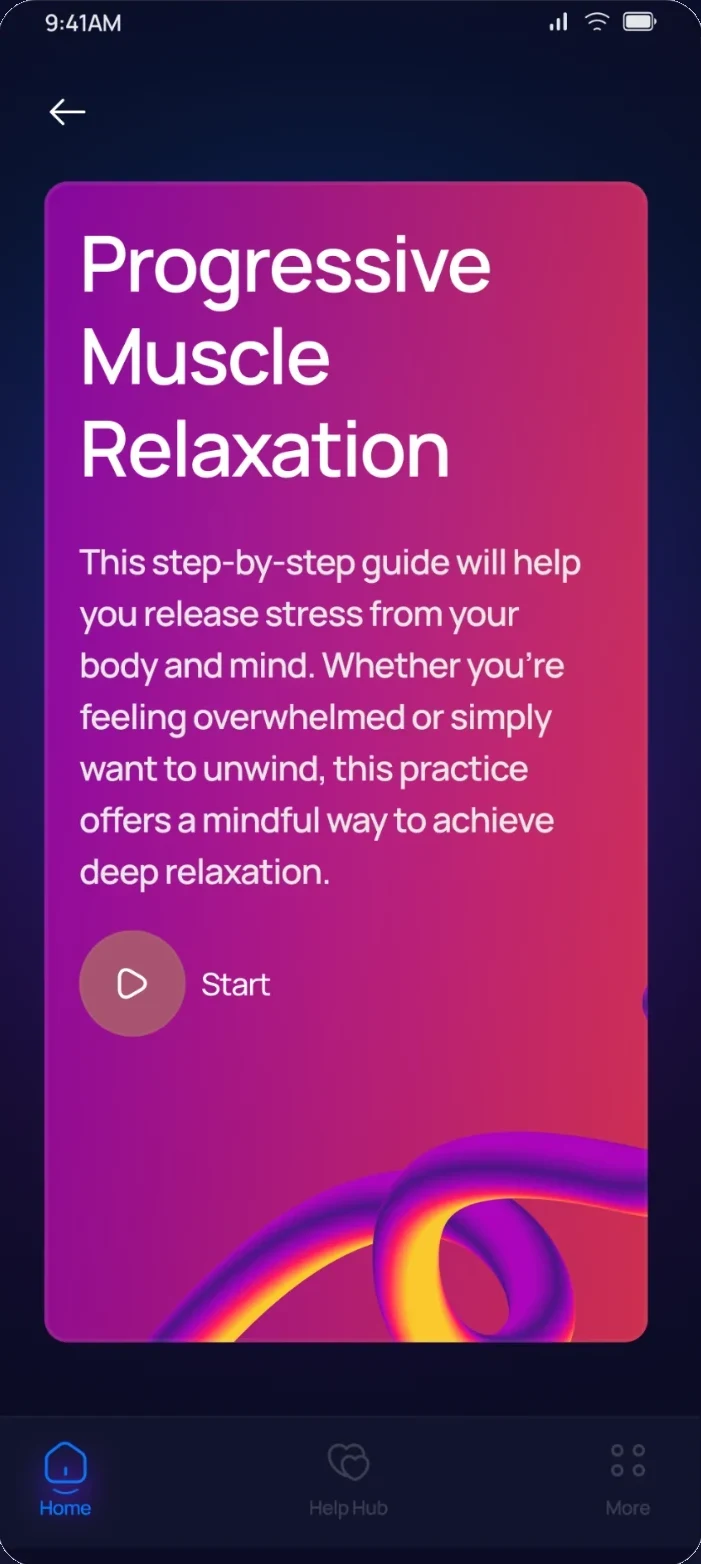
Instead of a Calm-style library, users get one bite-sized meditation, journaling prompt or breathing exercise, broken into gentle steps.


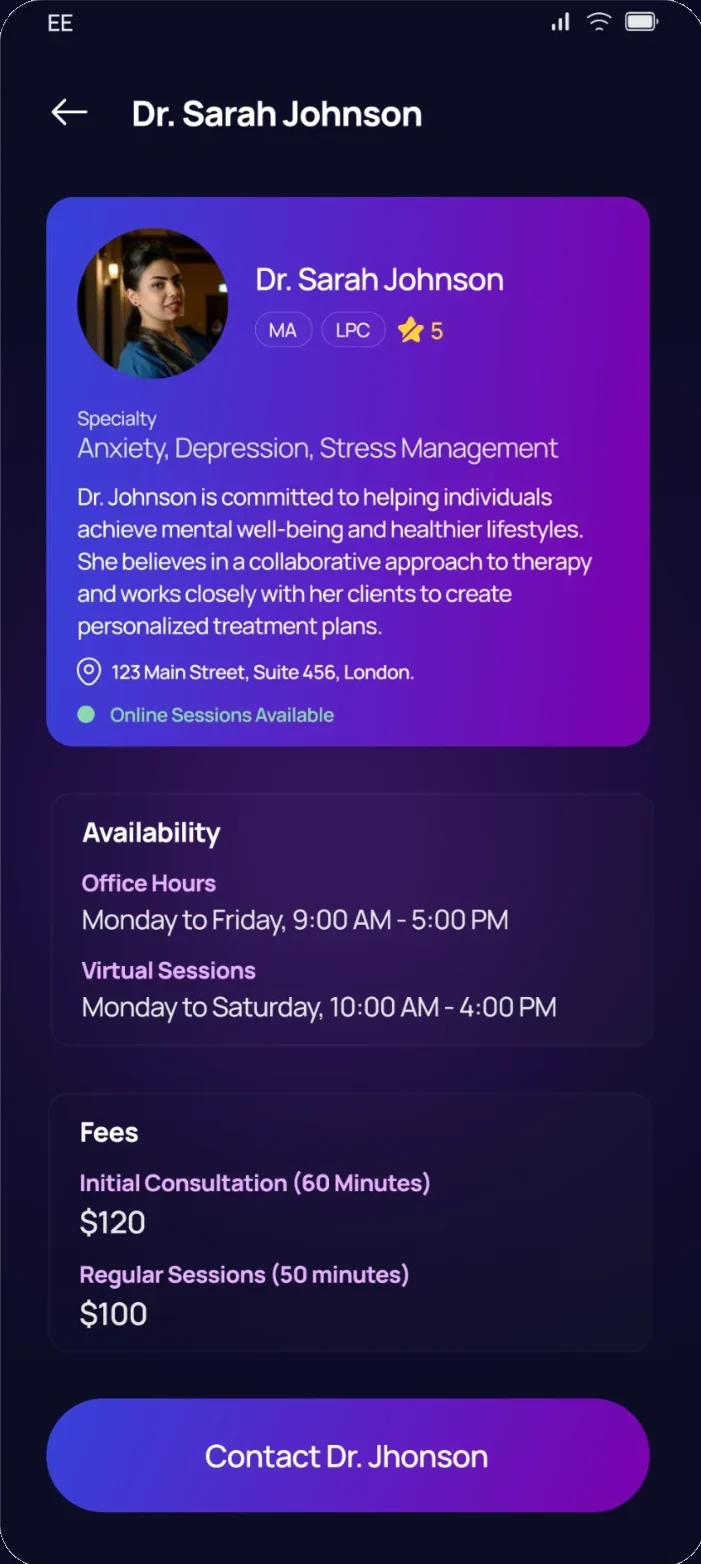
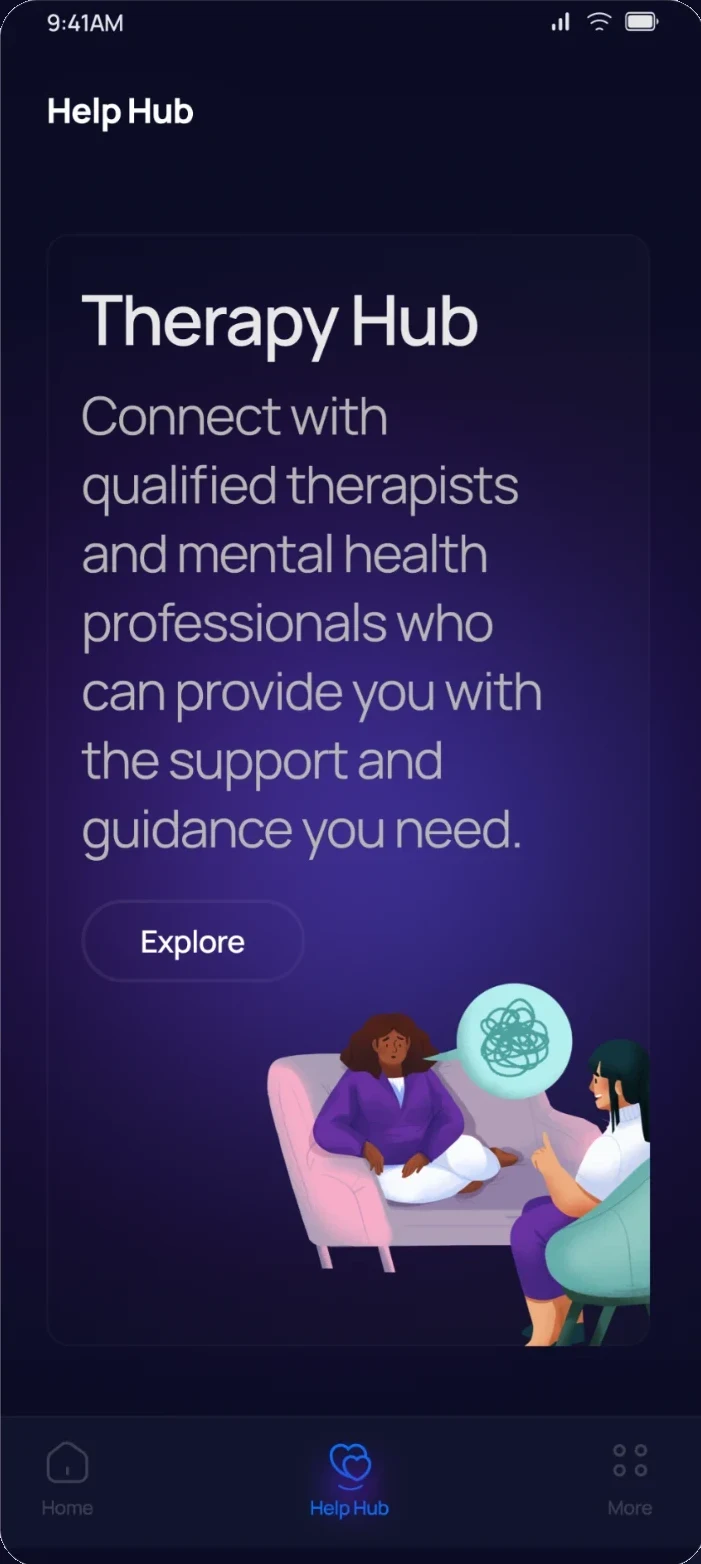
A therapist directory with bios, specialties, availability and fees, plus pay-as-you-go booking or chat. Therapy is an option, not an entry fee.


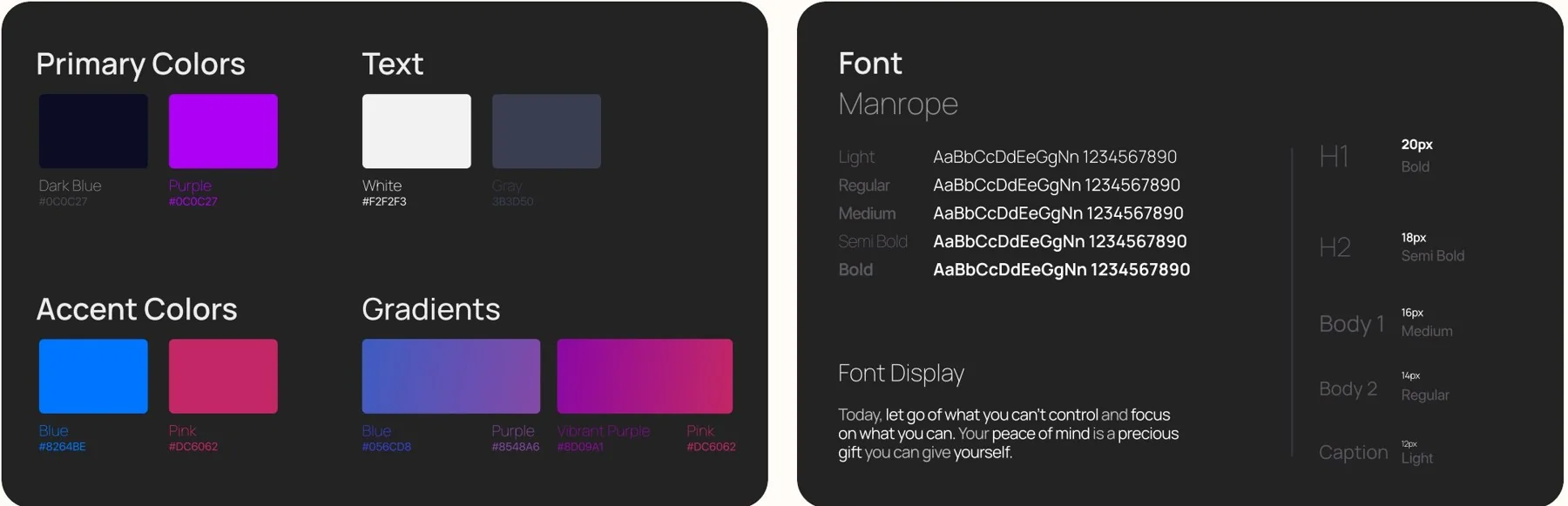
Deep purples and navy for calm, bright pinks and blues for energy, and Manrope for clear, friendly type. Soft gradients and small animations guide users gently through each task.


Scroll sideways for 6 key screens →
Figures from my own polls and interviews. MindSpace was a university MVP, so these shaped the design rather than measured it.
Walkthroughs and quick A/B polls on Twitter showed users wanted to know the person behind the name, so profiles gained bios, specialties, availability and reviews. A missing “Copied!” toast caused repeat taps; one small animation fixed it.


Listening to real users fixed gaps in the app I’d never have spotted alone.
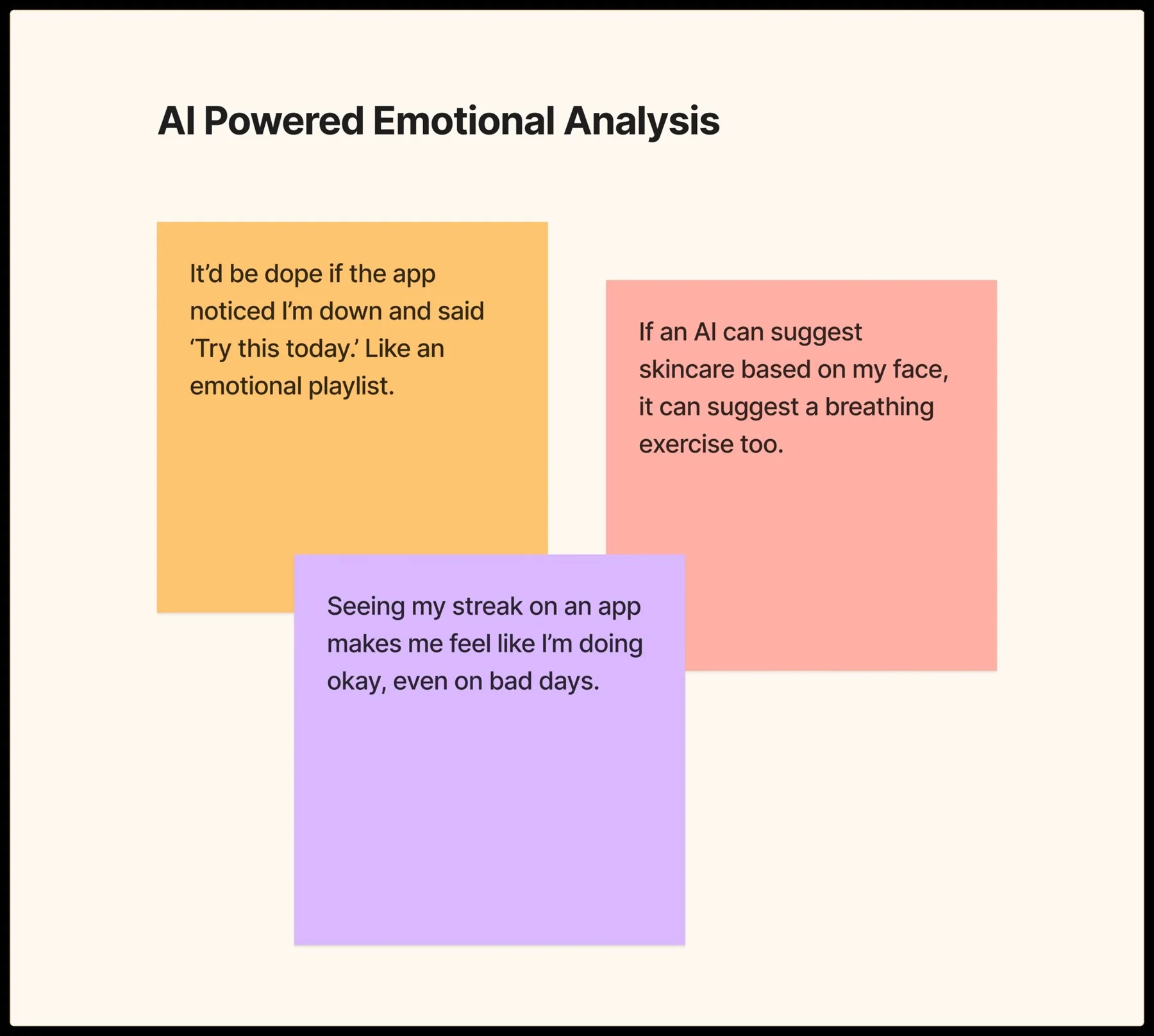
Knowing when to shelve a feature, like AI analysis or community groups, mattered as much as choosing what to build.